Newsletter Subscribe
Enter your email address below and subscribe to our newsletter
Enter your email address below and subscribe to our newsletter

 ByJohn A
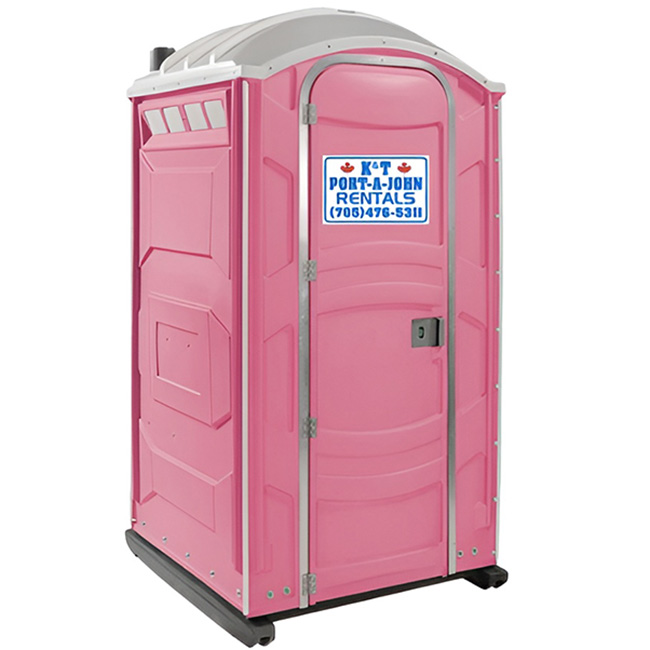
Most people picture something grim when portable sanitation comes up in event planning. That kind of imagery is based on previous music festivals from several years ago, or on a construction site seen through car windows. Luxury mobile toilets belong to a totally separate league, and the disconnect between expectation and delivery often surprises those planning events. It’s not hard to see why, though. Five of them come up again and again, and each one costs someone money or comfort on the day.
Here is why this matters. Guests remember discomfort far longer than they remember the flowers. One such experience was recounted by an event planner based in Ontario, who revealed that the most frequent complaint she had received about any outdoor event was complaints about washrooms, even more than about the food and music. Luxury portable toilets address a concern that is too delicate to mention.
This is the big one. People assume the difference is scrubbing.
The difference is the build. A deluxe unit includes features a standard model does not have:
That last point sounds small. It is not. The occupancy signal latch removes the awkward door rattle that makes people queue nervously at three paces. Small design decisions like this change how the whole experience feels.
Cleaning matters, of course. But a spotless basic unit is still a basic unit.
See also: How Pneumatic Hose and Fittings Affect Airflow, Pressure and Equipment Performance
Wedding season in Northern Ontario is short. Everyone wants the same six or seven Saturdays.
Planners often treat sanitation as a final checklist item, something to sort after the venue and the caterer. By then the better units are gone. What remains is whatever nobody else wanted, which defeats the point of upgrading in the first place.
Book the venue, then book the washrooms. Not last, not third from last.
There is a second reason to move early. Delivery scheduling on a busy weekend gets tight. Early bookings get the placement time you actually want, rather than a driver arriving while guests are already parking.
People count guests. They forget to count hours.
A four-hour reception and a ten-hour festival place very different demands on the same number of units. Bar service changes things again. So does a full meal, and so does a crowd skewed toward older guests or families with young children.
Rather than reaching for a fixed ratio, think through the variables:
The most useful question to ask is simple. If forty people wanted to go at the same moment, right after the speeches, what would that look like? That mental test tends to produce a better answer than any formula.
Placement gets decided in about eight seconds by someone who is already tired. That decision then shapes the entire guest experience.
Units need level ground. They need vehicle access for delivery and pickup, which people often forget when they picture a spot tucked behind a hedge. They also need to be far enough from dining areas to feel discreet, but close enough that nobody walks three minutes in dress shoes across wet grass.
Lighting matters after dark. A path that seemed obvious at two in the afternoon becomes invisible at ten at night.
Think about wind direction too. It sounds fussy. Guests notice.
This one carries real consequences.
Luxury units and barrier-free units serve different needs, and one does not substitute for the other. A guest using a wheelchair or with limited mobility needs a unit built for that purpose, with the space and layout to match.
Some planners assume an upgraded unit automatically covers accessibility. It does not. The two requirements sit side by side, and both belong in the booking.
Ask yourself who is on the guest list. Elderly relatives, someone recovering from surgery, a parent managing a stroller and a toddler at once. Each of these situations benefits from proper access.
Next steps are straightforward.
Start with an honest guest count and an honest timeline. Add bar service and meal service into your thinking. Walk the site before you decide on placement, ideally at the time of day your event actually runs.
Then book early. Instead of guessing, find out which features each model has since that’s where the distinction really lies.
One last thing, and it’s a personal opinion, not a fact. Those who succeed at it are those who put themselves in the position of being a visitor for a few moments, not in the role of being an organizer and going through a checklist, but as a person standing in the field at 9 in the evening and in need of a toilet.
That shift in perspective answers most of these questions on its own.