Newsletter Subscribe
Enter your email address below and subscribe to our newsletter
Enter your email address below and subscribe to our newsletter

 ByJohn A
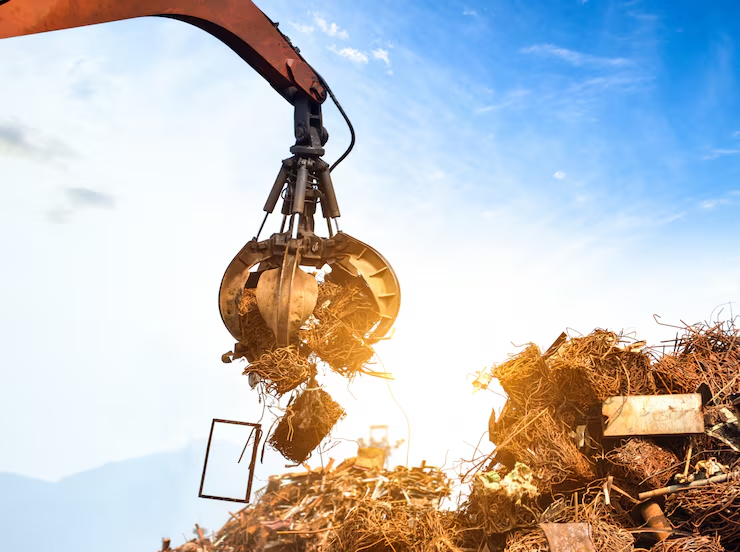
When we look around, we can easily find metal products being used in our daily lives. From household items to construction materials, metals are present almost everywhere. But have you ever wondered what happens to these products when they are no longer useful? This is where metal recycling plays an important role. Instead of allowing valuable materials to become waste, recycling helps recover metals and prepare them for future use. It is an effective way to reduce waste, conserve resources, and support a more sustainable approach towards material management.
Many people think that recycling is only about collecting old items and sending them away. However, the process is much more detailed than that. It involves sorting, processing, and transforming used metal into usable material again. Understanding how this process works can help individuals and businesses make better decisions when managing unwanted metal products.
Metals are valuable resources that require significant energy and effort to extract from natural sources. Mining new materials can impact the environment and consume large amounts of energy. By recovering existing metals, we can reduce the need for continuous extraction and make better use of resources that are already available.
For example, old machinery, vehicles, appliances, and construction materials often contain recoverable metals. Instead of treating these items as useless waste, they can become a source of new materials. This approach helps create a cycle in which resources continue to be used rather than discarded after a single use.
During this process, materials are separated based on their properties. Techniques involving material separation help identify different types of metals and ensure they are processed correctly. This step is important because different metals have different characteristics and uses.
See also:How Pneumatic Hose and Fittings Affect Airflow, Pressure and Equipment Performance
The recycling process generally begins with the collection of metal items from different sources. These materials are then transported to processing facilities, where they undergo several stages. The first step usually involves sorting the materials to separate metals from other unwanted components.
After sorting, the metals are cleaned and prepared for further processing. Advanced equipment is often used to break down larger items into smaller pieces, making them easier to handle. Once prepared, the materials are processed and converted into forms suitable for manufacturing new products.
A key part of this process is ensuring that the recovered metals maintain their quality. Technologies such as electromagnetic separation are used in some recycling systems to separate certain metals based on their properties. This improves efficiency and enables the recovery of valuable materials more effectively.
One of the biggest advantages of recycling metals is resource conservation. Since metals can often be reused multiple times without losing their essential properties, recycling provides a practical way to reduce dependence on newly extracted materials.
Another important benefit is energy conservation. Producing metals from recycled materials often requires less energy than producing them from raw materials. This can help reduce the overall environmental impact associated with metal production.
In addition, recycling supports responsible waste management. Large amounts of discarded metal can take up unnecessary space in landfills. Recovering these materials helps reduce waste accumulation and encourages a more organised approach to handling used products.
Different types of metals can be recovered and reused depending on their condition and composition. Some commonly recycled metals include:
Each metal type has different properties, which means the recycling method may vary. Proper identification and processing ensure that these materials can return to useful applications.
People often underestimate how their everyday choices can contribute to better resource management. Simple actions, such as separating unwanted metal items from general waste and sending them to appropriate recycling channels, can make a difference.
Before throwing away old products, it is useful to check whether they contain recyclable materials. Items such as broken appliances, old tools, and unused metal objects may still have value and can be processed rather than discarded.
Businesses can also improve their waste practices by creating organised systems for collecting and managing metal materials. Proper planning can help reduce unnecessary disposal and encourage responsible use of resources.
As industries continue to focus on sustainability, the importance of efficient recycling methods will continue to grow. New technologies and improved processes are helping make recycling more accurate, faster, and environmentally responsible.
The demand for metals is expected to increase as industries develop new products and infrastructure. Therefore, recovering and reusing existing materials will become an essential part of managing resources effectively.
Metal recycling is not just about reducing waste. It represents a smarter way to use existing resources. By raising awareness and adopting responsible practices, individuals and industries can contribute to a system in which valuable materials remain useful for longer.